
1 Peter 2:25 — Meaning, Context & Commentary
"For you were straying like sheep, but have now returned to the Shepherd and Overseer of your souls."
— 1 Peter 2:25 (ESV)
Download a branded verse card for Pinterest, Instagram, or social media
What Does 1 Peter 2:25 Mean?
This verse serves as a powerful conclusion to Peter's thoughts on enduring unjust suffering by pointing believers back to the ultimate example of Jesus Christ. Peter draws heavily on the imagery of Isaiah 53, reminding his readers of their past condition before knowing Christ. They were like wandering sheep - vulnerable, lost, and without direction, exposed to the dangers of a hostile world. This wandering represents a life lived apart from God's guidance and protection. However, the verse pivots on a beautiful contrast: "but have now returned." Through the sacrificial death of Jesus, believers have been brought back into the fold. Jesus is described with two comforting titles: the Shepherd and the Overseer of their souls. As the Shepherd, He provides, guides, and protects His flock with tender care. As the Overseer (or Guardian), He watches over their spiritual well-being with vigilant authority. This dual role assures believers that even when they face trials or persecution, their souls are secure in the hands of a loving and capable leader. The verse offers profound reassurance that our ultimate safety is found not in our circumstances, but in our relationship with Christ.
Historical Context
The Apostle Peter wrote this letter to early Christians scattered throughout the Roman provinces of Asia Minor (modern-day Turkey). These believers were facing increasing social ostracism, misunderstanding, and localized persecution because of their faith in Christ. Peter addresses various groups within the church, including servants who were enduring harsh treatment from unjust masters. In this specific context, Peter uses the example of Christ's suffering to encourage these believers to endure their own trials with grace. By referencing the well-known metaphor of sheep from Isaiah 53:6, Peter connects their current experience to the prophetic tradition of the Old Testament. The imagery of a shepherd would have deeply resonated with an agrarian society, instantly conveying ideas of protection, provision, and intimate care in the midst of a hostile environment.
Key Greek & Hebrew Words
This word refers to one who tends, feeds, and guards a flock of sheep. In the New Testament, it is frequently used metaphorically for Christ as the one who cares for and guides His people.
Meaning a guardian, superintendent, or one who watches over. It emphasizes the protective and authoritative care Jesus exercises over the spiritual lives of believers.
To wander, go astray, or be led away from the right path. It describes the spiritual lostness and vulnerability of people before they are brought into a relationship with God.
Application for Today
In our modern lives, it is easy to feel like wandering sheep, especially when we face unexpected hardships, confusing circumstances, or the pressure to conform to a culture that rejects our faith. We often try to navigate these challenges on our own, which only leads to deeper anxiety and exhaustion. This verse invites us to stop wandering and intentionally turn our attention back to Jesus. When you feel overwhelmed by the demands of life or the sting of unfair treatment, remember that you are not left to fend for yourself. You have a Shepherd who intimately knows your needs and an Overseer who actively guards your soul. Applying this verse means trusting His guidance over your own instincts and finding rest in His protective care. It encourages us to submit to His leadership daily, knowing that our spiritual well-being is secure in His capable hands.
Cross References
Frequently Asked Questions
What does it mean that Jesus is the Overseer of our souls?
The term Overseer, or Guardian, means that Jesus actively watches over our spiritual well-being. While we may face physical or emotional trials, He ensures that our eternal souls are protected and secure. It highlights His authority and His deep, personal investment in our ultimate salvation.
Why does Peter compare people to straying sheep?
Sheep are notoriously defenseless and prone to wandering off if they don't have a shepherd to guide them. Peter uses this comparison to illustrate how vulnerable and lost we are without God's direction. It emphasizes our absolute need for Christ's leadership and protection in our lives.
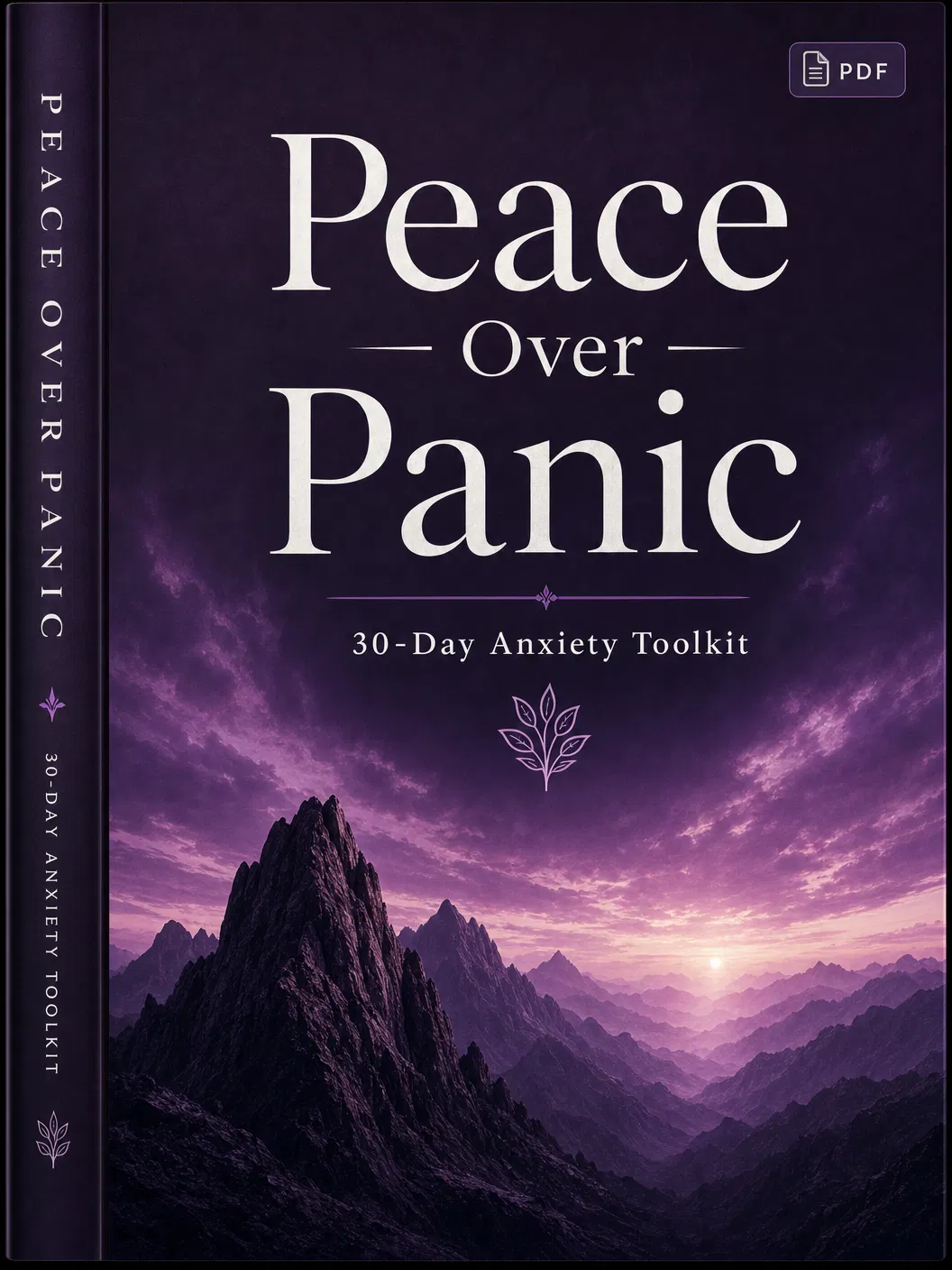
Peace Over Panic
30 days of Scripture-based exercises for finding calm when anxiety hits.
Get the Anxiety Toolkit — $12.99Related Verse Commentary
Psalm 23:1
The LORD is my shepherd; I shall not want....
John 10:11
I am the good shepherd. The good shepherd lays down his life for the sheep....
1 Peter 1:3
Blessed be the God and Father of our Lord Jesus Christ! According to his great mercy, he has caused ...
1 Peter 1:6
In this you rejoice, though now for a little while, if necessary, you have been grieved by various t...