Esther 4:16 — Meaning, Context & Commentary
"Go, gather all the Jews to be found in Susa, and hold a fast on my behalf, and do not eat or drink for three days, night or day. I and my young women will also fast as you do. Then I will go to the king, though it is against the law, and if I perish, I perish."
— Esther 4:16 (ESV)
What Does Esther 4:16 Mean?
Esther 4:16 captures the turning point of the entire book of Esther. Queen Esther has just been challenged by her cousin Mordecai to use her royal position to save her people from a planned genocide. In this verse, she makes the courageous decision to risk her own life for the sake of the Jewish people. Approaching the Persian king without being summoned was a crime punishable by death, even for the queen. Knowing the severe danger, Esther does not rush in blindly. She asks Mordecai to gather all the Jews in the capital city of Susa to fast for her for three days. Fasting in the Bible is almost always accompanied by prayer, showing her deep reliance on God for favor and protection. She commits to doing the same with her attendants. Her final statement, "if I perish, I perish," is not an expression of fatalism or despair. Instead, it is a profound declaration of surrender to God's will. She recognizes that obedience to God and love for her people are more important than her own safety. This moment highlights the beauty of sacrificial love and the power of a community seeking God together.
Historical Context
The book of Esther takes place during the Persian Empire, specifically under the reign of King Ahasuerus, also known as Xerxes I, around 483 to 473 BC. The Jewish people were living in exile, scattered throughout the vast empire. A high-ranking official named Haman had manipulated the king into issuing a decree to annihilate all the Jews on a specific day. Esther, a Jewish orphan raised by her cousin Mordecai, had been chosen as the new queen but kept her heritage a secret. The Persian court was known for its strict protocols and severe punishments. The law stated that anyone who approached the king uninvited would be executed unless the king extended his golden scepter. Esther had not been called to the king in thirty days, making her uninvited approach incredibly dangerous.
Key Greek & Hebrew Words
to fast, abstain from food. abad (אָבַד): to perish, be destroyed, or die. kanas (כָּנַס): to gather, collect, or assemble
Application for Today
Esther's brave choice challenges us to consider how we respond when God places us in difficult situations. You might not be a queen facing a literal death sentence, but you will encounter moments where doing the right thing requires significant risk. It could mean speaking up for someone who is being mistreated, sharing your faith in a hostile environment, or making a tough ethical choice at work. Before taking action, Esther sought spiritual support through fasting and prayer. We should follow her example by inviting other believers to pray with us when we face major decisions or trials. We also need to adopt her attitude of complete surrender. True faith means trusting God with the outcome, even when it costs us dearly. When we step out in obedience, we can rest knowing that God is in control, no matter what happens.
Cross References
Frequently Asked Questions
Why did Esther ask the people to fast instead of pray?
While the text only mentions fasting, in Jewish tradition and biblical practice, fasting is inherently tied to intense prayer and seeking God's intervention. The book of Esther intentionally omits the direct name of God to highlight His hidden providence behind the scenes. By calling for a strict three-day fast, Esther was urgently asking her community to plead with God for mercy, favor, and protection before she risked her life.
Did Esther's maids also believe in God?
The Bible does not explicitly state the religious background of Esther's young women. However, since they were her personal attendants, it is highly likely that Esther had shared her faith and practices with them. By joining her in this strict three-day fast, these young women demonstrated their loyalty to the queen and their willingness to participate in a deeply spiritual act of seeking the God of Israel for deliverance.
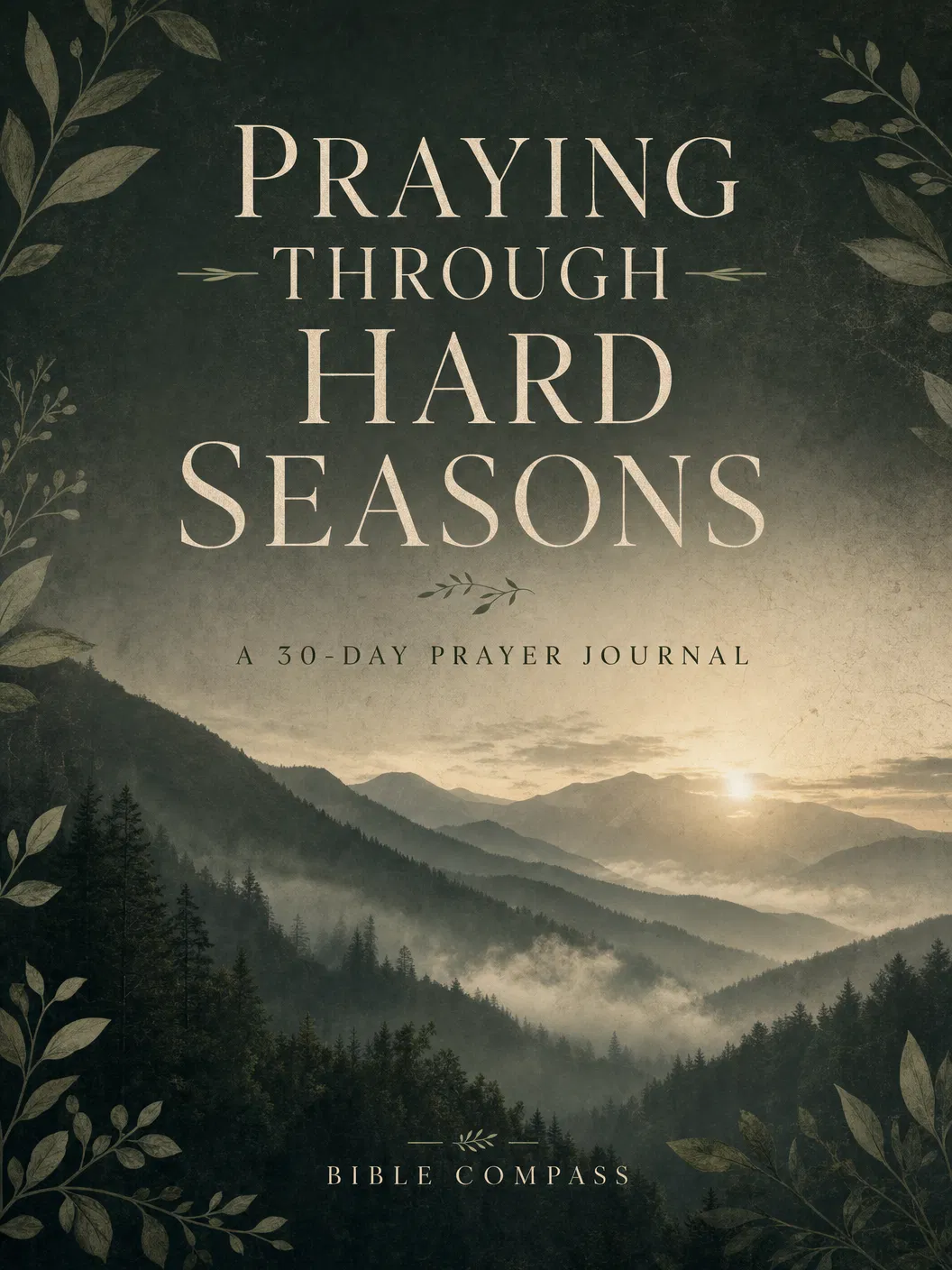
Praying Through Hard Seasons
Scripture-guided prayers for the moments when words fail and the weight feels unbearable.
Get the Prayer Guide — $12.99Related Verse Commentary
Judges 21:25
In those days there was no king in Israel. Everyone did what was right in his own eyes....
Job 13:15
Though he slay me, I will hope in him; yet I will argue my ways to his face....
Psalm 9:10
And those who know your name put their trust in you, for you, O LORD, have not forsaken those who se...
Psalm 23:3
He restores my soul. He leads me in paths of righteousness for his name's sake....