
Hebrews 4:1 — Meaning, Context & Commentary
"Therefore, while the promise of entering his rest still stands, let us fear lest any of you should seem to have failed to reach it."
— Hebrews 4:1 (ESV)
Download a branded verse card for Pinterest, Instagram, or social media
What Does Hebrews 4:1 Mean?
Hebrews 4:1 serves as a sobering warning and an encouraging invitation to believers. The author builds upon the previous chapter's discussion of the Israelites who perished in the wilderness due to their unbelief and disobedience. The "rest" mentioned here refers to the spiritual rest and salvation found in Jesus Christ, which is the ultimate fulfillment of the Sabbath rest and the promised land of Canaan. The promise of entering this rest "still stands," meaning it is available to the current readers and to us today. However, the author urges his audience to "fear" or be cautious, lest anyone should "seem to have failed to reach it." This fear is not a paralyzing terror, but a healthy, reverent awe and a diligent vigilance against the deceitfulness of sin and the hardening of the heart. It is a call to examine one's faith and ensure that it is genuine and enduring. The verse emphasizes that mere association with the covenant community is not enough; true faith must be accompanied by perseverance and obedience. By remaining faithful to Christ, believers can confidently enter the eternal rest that God has prepared for His people.
Historical Context
The Epistle to the Hebrews was written to a community of Jewish Christians who were facing intense persecution and pressure to abandon their faith in Jesus and return to the familiar rituals of Judaism. The author, whose identity remains unknown, writes to demonstrate the absolute superiority of Christ over the angels, Moses, and the Levitical priesthood. In this specific context, the author draws a parallel between the wilderness generation of Israelites, who failed to enter the promised land due to their unbelief, and the current readers, who are in danger of missing out on God's eternal rest if they apostatize. The warning in Hebrews 4:1 is a pastoral plea to a weary and discouraged congregation, urging them to hold fast to their confession and not repeat the tragic mistakes of their ancestors.
Key Greek & Hebrew Words
To leave behind, forsake, or abandon. In this context, it refers to the promise that remains or is left behind for believers to claim.
Rest, resting place, or a state of resting. It denotes the spiritual rest and salvation provided by God, fulfilling the Old Testament types of the Sabbath and Canaan.
To come late, fall short, or fail to reach. It describes the tragic possibility of missing out on God's promised rest due to unbelief.
Application for Today
In our modern lives, Hebrews 4:1 challenges us to evaluate the authenticity of our faith and our commitment to Christ. It is easy to become complacent or distracted by the pressures of the world, assuming our spiritual standing is secure simply because we attend church or identify as Christians. However, this verse calls us to a diligent and active faith. We must cultivate a healthy reverence for God and a vigilance against anything that might harden our hearts or lead us away from Him. The promise of God's rest is still available to us today. It is a rest from our own striving and a deep, abiding peace in the finished work of Jesus. Let us encourage one another to persevere, holding firmly to our trust in Christ, so that none of us will fall short of the glorious eternal rest He has promised.
Cross References
Frequently Asked Questions
What does the "rest" refer to in Hebrews 4:1?
The "rest" in this verse refers to the spiritual salvation and eternal peace found in Jesus Christ. It is the ultimate fulfillment of the Old Testament concepts of the Sabbath day and the promised land of Canaan. For believers today, entering this rest means ceasing from our own efforts to earn salvation and trusting fully in Christ's finished work.
Why does the author tell believers to "fear"?
The command to "fear" is not about living in constant terror of losing salvation, but rather cultivating a healthy, reverent caution. It is a call to spiritual vigilance against complacency, unbelief, and the deceitfulness of sin. This reverent awe motivates believers to examine their hearts and persevere in genuine faith.
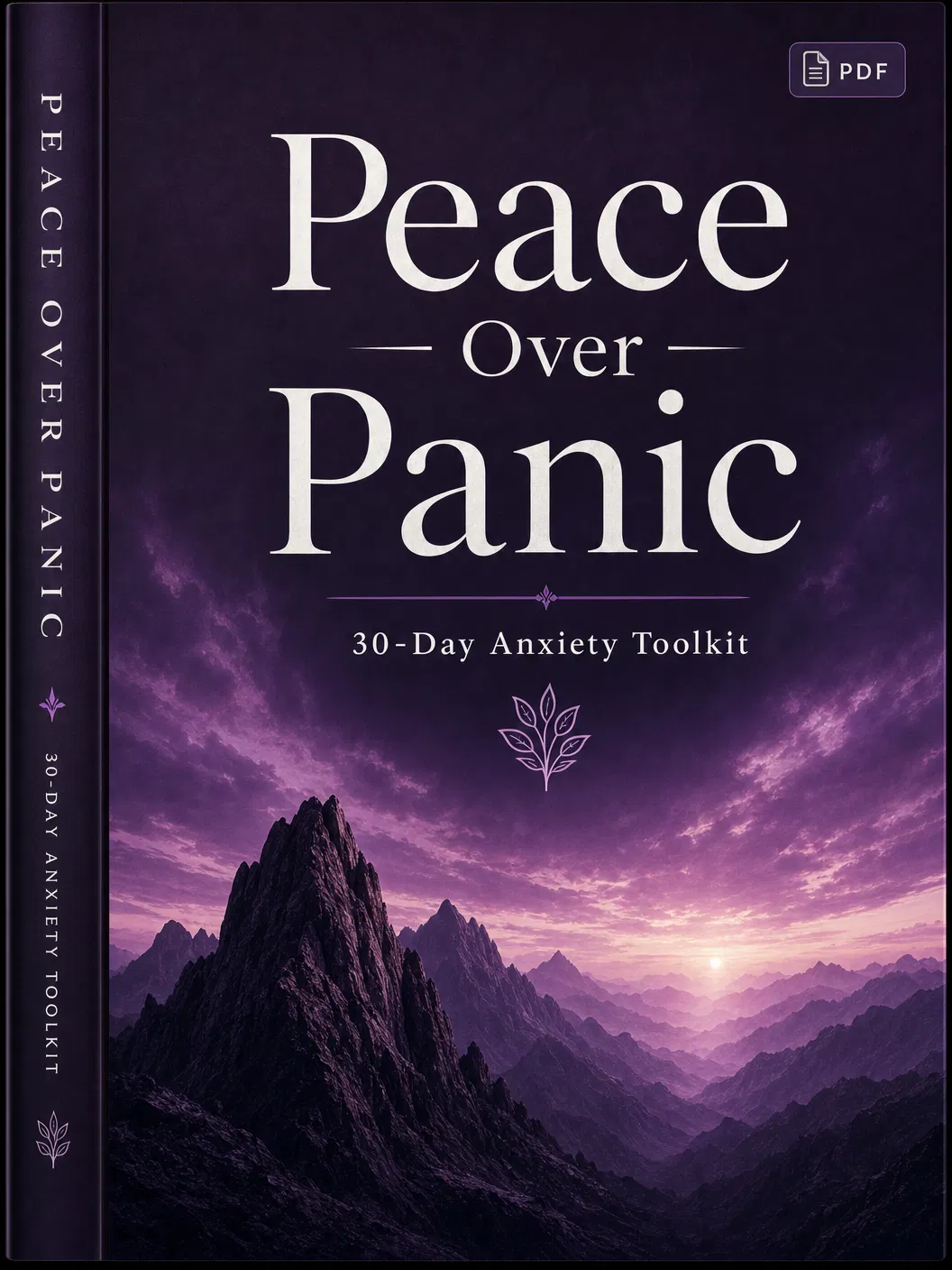
Peace Over Panic
30 days of Scripture-based exercises for finding calm when anxiety hits.
Get the Anxiety Toolkit — $12.99Related Verse Commentary
Hebrews 2:18
For because he himself has suffered when tempted, he is able to help those who are being tempted....
Hebrews 4:12
For the word of God is living and active, sharper than any two-edged sword, piercing to the division...
Hebrews 4:15
For we do not have a high priest who is unable to sympathize with our weaknesses, but one who in eve...
Hebrews 4:16
Let us then with confidence draw near to the throne of grace, that we may receive mercy and find gra...