Matthew 10:28 — Meaning, Context & Commentary
"And do not fear those who kill the body but cannot kill the soul. Rather fear him who can destroy both soul and body in hell."
— Matthew 10:28 (ESV)
What Does Matthew 10:28 Mean?
In Matthew 10:28, Jesus is preparing His disciples for the intense persecution they will face as they preach the gospel. He gives them a profound perspective on fear and ultimate authority. Jesus tells them not to be afraid of human beings who can only inflict physical death. While losing one's life is a terrifying prospect, human power stops at the grave. They cannot touch the eternal soul. Instead, Jesus directs their reverence and holy fear toward God, the only one who holds authority over both physical life and eternal destiny. The word "hell" here refers to Gehenna, the place of final judgment. Jesus is not trying to terrify His followers into submission but rather to reorient their priorities. When we understand the supreme power and ultimate justice of God, the threats of mortal men lose their paralyzing grip. This verse teaches that our greatest concern should be our standing before God, not the approval or wrath of people. By placing our awe and reverence in the Creator, we find the courage to face earthly trials, knowing our eternal souls are secure in His hands.
Historical Context
Jesus spoke these words as part of His commissioning of the twelve apostles. He was sending them out to preach that the kingdom of heaven was at hand, to heal the sick, and to cast out demons. Knowing the religious and political climate of first-century Israel, Jesus understood they would face severe opposition. The Jewish religious leaders and the Roman authorities would eventually view them as threats. In this culture, physical punishment, imprisonment, and execution were common methods used to silence dissenters. Jesus wanted to prepare His disciples for this harsh reality so they would not be caught off guard. By addressing their natural human fears head on, He equipped them with a heavenly perspective. This instruction was vital for the early church, which would soon endure intense waves of persecution, martyrdom, and suffering for the sake of Christ.
Key Greek & Hebrew Words
The vital breath, the breath of life, the eternal and immaterial part of a person
Gehenna, a valley near Jerusalem used as a symbol for the place of final punishment
To ruin, to render useless, or to cause to perish, referring here to eternal ruin
Application for Today
It is easy to let the fear of people dictate our choices. We often worry about what others think of us, fear losing our jobs for standing up for our faith, or dread being mocked for our beliefs. Jesus invites us to trade our fear of man for a healthy, reverent awe of God. When we truly grasp how big and powerful God is, the opinions and threats of people shrink in comparison. This does not mean we will never feel afraid, but it means our reverence for God overrides our earthly anxieties. If you are facing pressure to compromise your convictions, remember that your eternal life is safe with your Heavenly Father. Let the awe of God give you the boldness to live faithfully today, knowing that no human being has the final say over your soul.
Cross References
Frequently Asked Questions
Does this verse mean God wants us to be terrified of Him?
No, Jesus is not telling us to live in cowering terror of God. In the Bible, the "fear of the Lord" means having a deep reverence, awe, and respect for His ultimate authority and holiness. It is about recognizing who is truly in charge. When we have this proper reverence for God as our ultimate judge and loving Father, it actually frees us from the paralyzing fear of what people can do to us.
Can Satan destroy our soul in hell?
A common misconception is that Satan is the one who destroys souls in hell. However, this verse is actually referring to God. Satan does not rule hell or have the authority to cast people into it. God alone is the righteous judge who holds the power over eternal life and eternal death. Satan himself will eventually face God's judgment. Our reverence belongs solely to God, the ultimate authority over all creation.
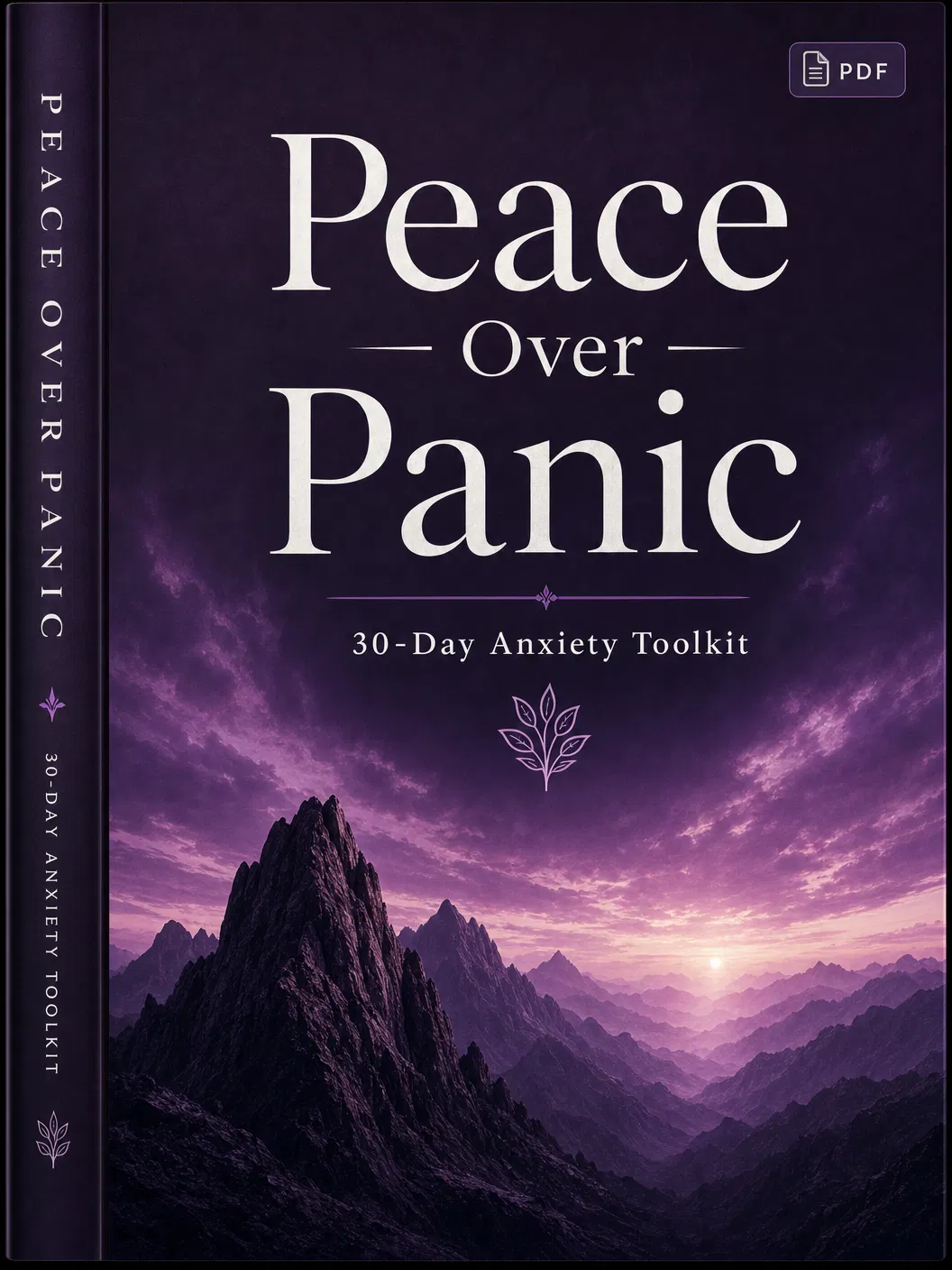
Peace Over Panic
30 days of Scripture-based exercises for finding calm when anxiety hits.
Get the Anxiety Toolkit — $12.99Related Verse Commentary
Psalm 118:6
The LORD is on my side; I will not fear. What can man do to me?...
Psalm 121:1
I lift up my eyes to the hills. From where does my help come?...
Psalm 121:2
My help comes from the LORD, who made heaven and earth....
Romans 8:31
What then shall we say to these things? If God is for us, who can be against us?...