Matthew 6:25 — Meaning, Context & Commentary
""Therefore I tell you, do not be anxious about your life, what you will eat or what you will drink, nor about your body, what you will put on. Is not life more than food, and the body more than clothing?""
— Matthew 6:25 (ESV)
What Does Matthew 6:25 Mean?
In this passage from the Sermon on the Mount, Jesus addresses the universal human struggle with worry. He commands His followers to stop being anxious about their basic physical needs, specifically food, drink, and clothing. The word "therefore" connects this command to His previous teaching about not serving two masters. If God is truly our master, we can trust Him to provide for us. Jesus uses a lesser-to-greater argument to make His point. He asks a rhetorical question: since God has already given us the greater gifts of life and a physical body, will He not also provide the lesser things needed to sustain them? Worrying about these necessities reveals a lack of trust in God's character and His promises. Jesus is not promoting laziness or a lack of planning, but rather a shift in focus. Instead of being consumed by anxiety over material provisions, believers are called to rest in the assurance of their Heavenly Father's care. This verse challenges us to evaluate where our security lies and invites us to experience the peace that comes from depending entirely on God's faithful provision.
Historical Context
Jesus delivered the Sermon on the Mount to His disciples and a large crowd gathered in Galilee. The original audience consisted mostly of ordinary Jewish people, many of whom were poor and lived day-to-day. For them, securing food, water, and clothing was a constant, pressing concern, not a given. They lived under Roman occupation and heavy taxation, making economic survival difficult. In this agrarian society, a bad harvest or lack of rain could mean starvation. When Jesus spoke about anxiety over basic needs, He was addressing a very real and immediate struggle for His listeners. Matthew, writing to a Jewish-Christian audience, recorded these words to remind believers that their Heavenly Father is intimately aware of their needs. The teaching contrasted sharply with the anxiety-driven pursuit of wealth common among the Gentiles and the self-righteous legalism of the religious leaders.
Key Greek & Hebrew Words
to be anxious, to be troubled with cares. psychē (ψυχή): life, soul, the breath of life. sōma (σῶμα): body, the physical frame
Application for Today
In our modern world, anxiety often feels unavoidable. While we might not worry about our next meal in the same way the original audience did, we still stress over finances, job security, health, and the future. Jesus' command to not be anxious is just as relevant today. He invites us to trade our worry for trust. When we find ourselves spiraling into anxiety, we can pause and remember that the God who gave us life is more than capable of sustaining it. This means actively choosing to surrender our concerns to Him in prayer rather than letting them consume our thoughts. It requires a daily reorientation of our priorities, seeking God's kingdom first and trusting that He will handle the details. By resting in His provision, we can live with a quiet confidence that stands out in a culture driven by fear and stress.
Cross References
Frequently Asked Questions
Does this verse mean we shouldn't plan for the future or work hard?
No, Jesus is not condemning hard work or responsible planning. The Bible frequently praises diligence and wise preparation. What Jesus is addressing is the attitude of the heart. He is warning against a consuming, fearful anxiety that takes our focus off God and places our trust in our own efforts or resources. We are called to work responsibly while trusting God completely for the outcome.
How can I stop being anxious when my problems are so overwhelming?
Stopping anxiety is not about trying harder to not worry; it is about redirecting your focus. When overwhelming problems arise, bring them directly to God in prayer. Remind yourself of His past faithfulness and His promises in Scripture. Surrounding yourself with a supportive church community can also help carry the burden. Trusting God is a daily practice of handing over control to the One who cares for you.
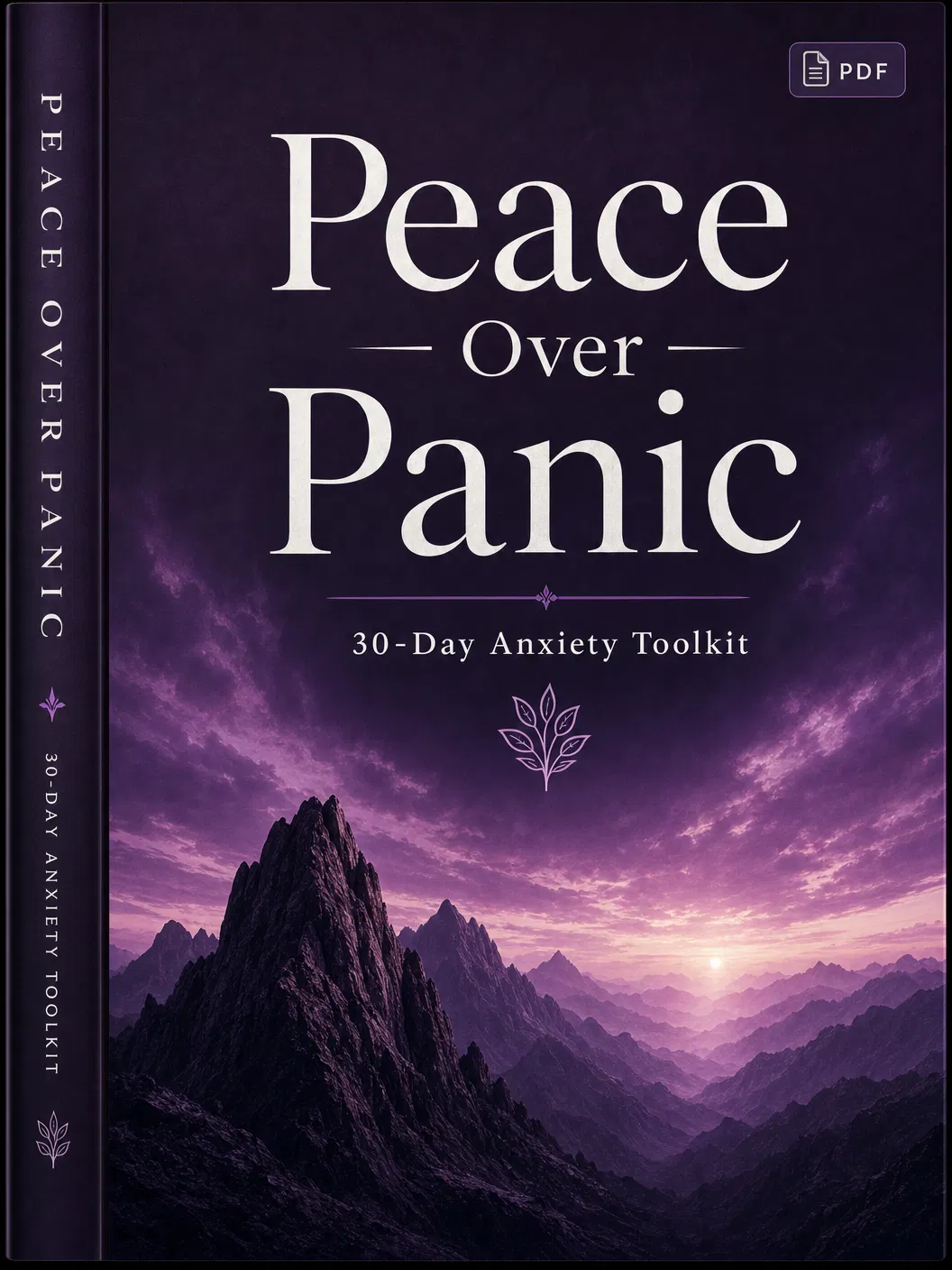
Peace Over Panic
30 days of Scripture-based exercises for finding calm when anxiety hits.
Get the Anxiety Toolkit — $12.99Related Verse Commentary
Psalm 37:5
Commit your way to the LORD; trust in him, and he will act....
Psalm 55:22
Cast your burden on the LORD, and he will sustain you; he will never permit the righteous to be move...
Psalm 94:19
When the cares of my heart are many, your consolations cheer my soul....
Philippians 4:6
do not be anxious about anything, but in everything by prayer and supplication with thanksgiving let...