Philippians 4:8 — Meaning, Context & Commentary
"Finally, brothers, whatever is true, whatever is honorable, whatever is just, whatever is pure, whatever is lovely, whatever is commendable, if there is any excellence, if there is anything worthy of praise, think about these things."
— Philippians 4:8 (ESV)
What Does Philippians 4:8 Mean?
Paul provides a practical filter for the Christian mind, urging believers to intentionally direct their thoughts toward things that reflect God's character. Instead of allowing anxiety or worldly concerns to dominate their thinking, Christians are called to actively evaluate what they dwell on. The list of virtues, including what is true, honorable, just, pure, lovely, and commendable, serves as a comprehensive standard for mental discipline. This is not merely about positive thinking, but about aligning one's mind with the reality of Christ. By focusing on what is excellent and praiseworthy, believers guard their hearts against the anxiety mentioned earlier in the chapter. The command to think about these things implies a deliberate, ongoing practice of meditation and reflection. What we allow into our minds ultimately shapes our attitudes and actions. Paul understands that peace is closely tied to our thought life. When we fill our minds with the truth of God's word and the goodness of His creation, we leave little room for fear, bitterness, or deception. This intentional focus transforms our perspective and enables us to experience the peace of God in every circumstance.
Historical Context
The Apostle Paul wrote this letter to the church in Philippi while he was under house arrest in Rome, around AD 60 to 62. The Philippian church was the first Christian community Paul established in Europe, and they shared a deep, affectionate bond. Despite his imprisonment and the very real possibility of execution, Paul's letter is characterized by an overwhelming theme of joy. The believers in Philippi were facing their own challenges, including external persecution and internal disunity. In chapter 4, Paul addresses specific conflicts and encourages the church to stand firm. The Greco-Roman culture of the time highly valued moral philosophy and lists of virtues. Paul adopts this familiar cultural form but redefines it through the lens of the gospel, showing that true excellence and praiseworthy things are ultimately found in Christ and His kingdom.
Key Greek & Hebrew Words
to reckon, calculate, or carefully consider, implying a deliberate focus
moral excellence or virtue, representing the highest quality of moral goodness
true or real, referring to what is objectively true in contrast to falsehood
Application for Today
In our modern era of constant digital connection, this verse offers a vital strategy for mental health and spiritual growth. We are bombarded daily with news, social media, and entertainment that often highlight the worst of humanity. Applying this verse means actively curating what we read, watch, and listen to. Before consuming media or dwelling on a specific thought, we can run it through Paul's filter. Is this true? Is it pure? Is it honorable? If a thought or piece of content breeds anxiety, anger, or impurity, we must intentionally replace it with something that honors God. This might look like turning off the news to read a good book, listening to worship music instead of a toxic podcast, or choosing to remember a friend's good qualities rather than their flaws.
Cross References
Frequently Asked Questions
Does this verse mean Christians should ignore negative realities?
No, Paul is not advocating for toxic positivity or ignoring real problems. Instead, he is teaching us not to let negative realities dominate our mental landscape, but to process them through the truth of God's goodness and sovereignty.
How can I control what I think about when my thoughts seem automatic?
While we cannot always stop a passing thought, we can choose whether to dwell on it. By filling our minds with Scripture and intentionally redirecting our focus when unhelpful thoughts arise, we train our minds over time.
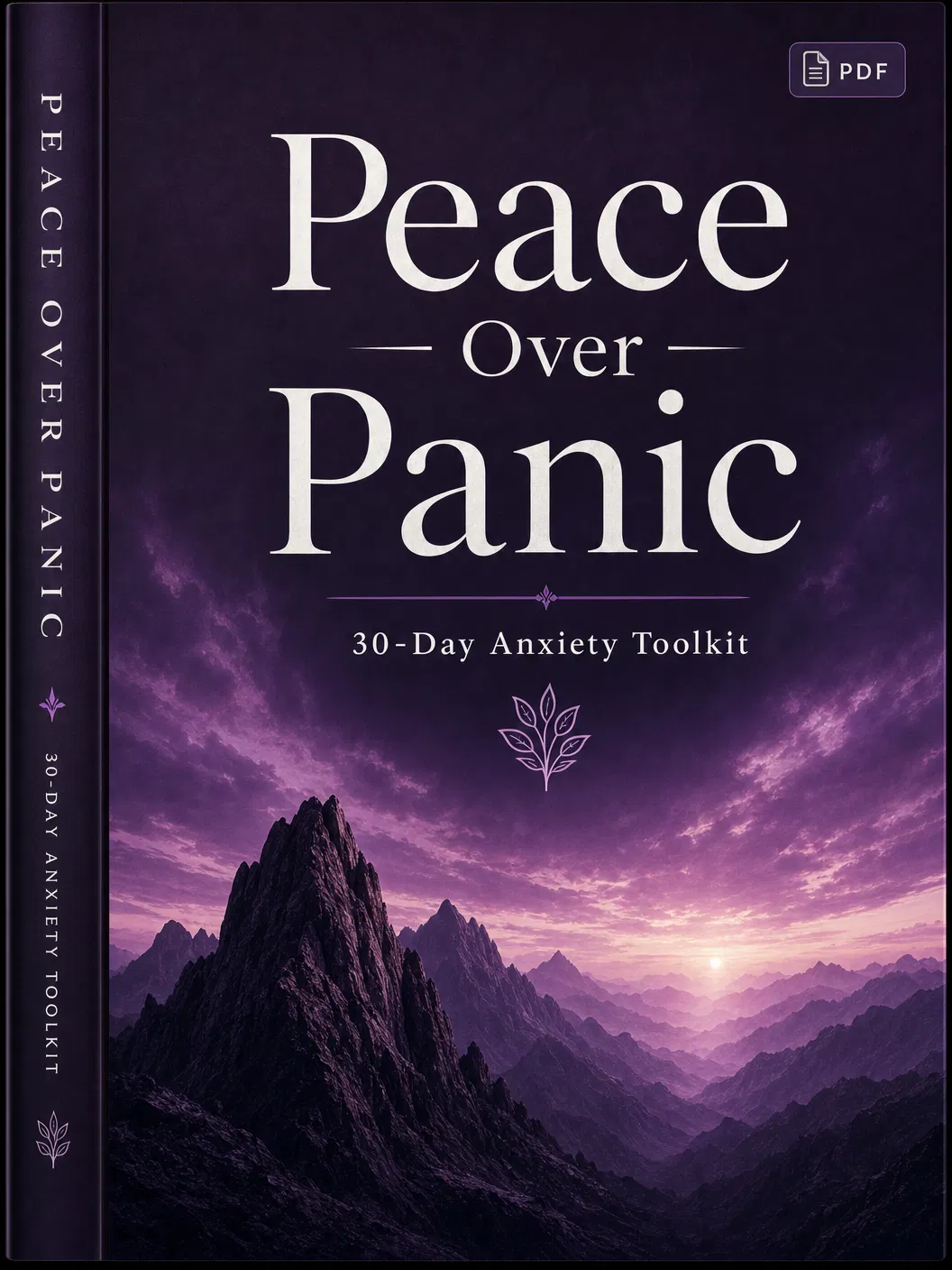
Peace Over Panic
30 days of Scripture-based exercises for finding calm when anxiety hits.
Get the Anxiety Toolkit — $12.99Related Verse Commentary
Romans 8:6
For to set the mind on the flesh is death, but to set the mind on the Spirit is life and peace....
1 John 2:15
Do not love the world or the things in the world. If anyone loves the world, the love of the Father ...
Philippians 4:7
And the peace of God, which surpasses all understanding, will guard your hearts and your minds in Ch...
Joshua 24:15
And if it is evil in your eyes to serve the LORD, choose this day whom you will serve, whether the g...