
Proverbs 1:1 — Meaning, Context & Commentary
"The proverbs of Solomon, son of David, king of Israel:"
— Proverbs 1:1 (ESV)
Download a branded verse card for Pinterest, Instagram, or social media
What Does Proverbs 1:1 Mean?
The opening verse of Proverbs serves as the title page for the entire collection, immediately establishing its authority and purpose. By attributing these sayings to Solomon, the son of David and king of Israel, the text connects its wisdom to Israel's golden age of intellect and prosperity. Solomon was renowned throughout the ancient Near East for his unparalleled wisdom, which God granted him when he asked for an understanding mind to govern his people. This verse tells the reader that what follows is not just common sense, but royal, God-given insight meant to guide a successful and righteous life. The word "proverbs" itself suggests brief, memorable sayings that pack deep truths into small packages. They are designed to be pondered and applied to daily situations. By grounding the book in the historical reality of Israel's monarchy, the author reminds us that true wisdom is rooted in a specific relationship with God, the ultimate King. This introduction invites us to sit at the feet of a master teacher, preparing our hearts to receive instruction that has stood the test of time and remains highly relevant for working through the complexities of human experience.
Historical Context
The book of Proverbs was primarily compiled during the reign of King Solomon in the tenth century BC, a period of unprecedented peace, wealth, and cultural flourishing in Israel. Solomon's court was a center of international trade and intellectual exchange, making it the perfect environment for cultivating wisdom literature. In the ancient Near East, wisdom was highly valued, and kings often sponsored the collection of wise sayings to educate young men for leadership and court service. While Solomon did not write every proverb in the book, he is the principal author and the patron of this literary tradition in Israel. The original audience consisted of young Israelites, likely young men preparing for adult responsibilities, who needed practical guidance on living faithfully within the covenant community. The historical setting highlights that this wisdom was meant for real-world application in a thriving society.
Key Greek & Hebrew Words
A proverb, parable, or wise saying. It refers to a concise statement that uses comparison or vivid imagery to communicate a deeper moral or practical truth.
The name Solomon, derived from the Hebrew word for peace (shalom). He was the third king of Israel, famous for his God-given wisdom and for building the first temple in Jerusalem.
The Hebrew word for king or ruler. In this context, it highlights the royal authority and national leadership behind the wisdom being presented.
Application for Today
In our modern, fast-paced world, we are constantly bombarded with information, yet we often lack true wisdom. Proverbs 1:1 challenges us to seek guidance from a proven, authoritative source rather than relying on fleeting cultural trends or our own limited understanding. Just as Solomon's original audience needed practical advice for daily living, we too need God's wisdom to navigate our relationships, careers, and personal decisions. Applying this verse means making a deliberate choice to value biblical instruction over worldly advice. It encourages us to approach the book of Proverbs not just as ancient literature, but as a living manual for a successful, God-honoring life. By recognizing the royal and divine authority behind these words, we can cultivate a teachable spirit, ready to listen, learn, and align our daily choices with the timeless principles of God's kingdom.
Cross References
Frequently Asked Questions
Did Solomon write the entire book of Proverbs?
While Solomon is the principal author and compiler of the book, he did not write every single proverb. The book itself mentions other contributors, such as the wise men, Agur, and King Lemuel, who added their own sayings to the collection.
What exactly is a proverb in the biblical sense?
A biblical proverb is a short, memorable saying that expresses a general truth about life, human nature, and God's world. Rather than being absolute promises, proverbs offer practical wisdom and general principles for living a righteous and successful life.
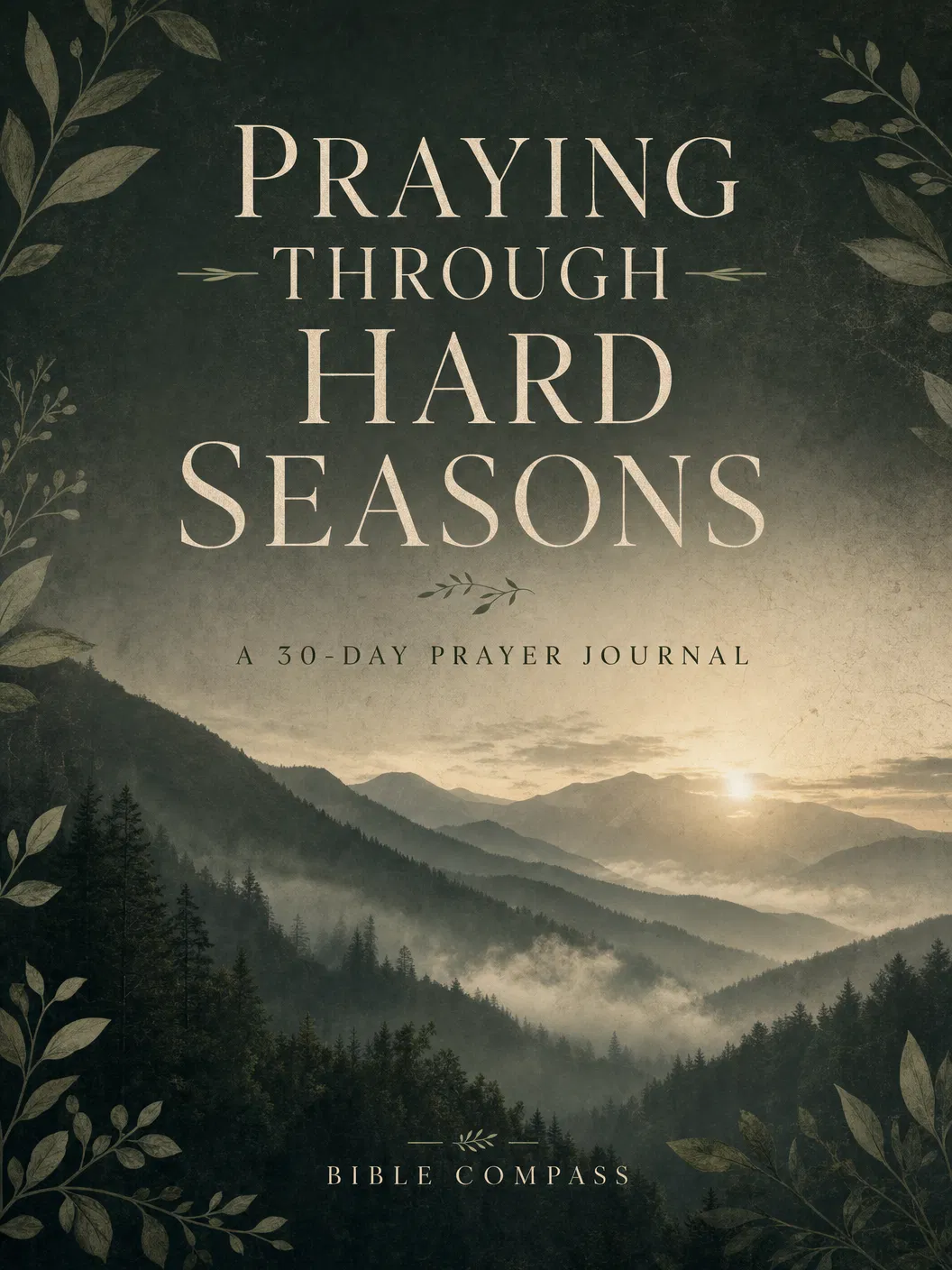
Praying Through Hard Seasons
Scripture-guided prayers for the moments when words fail and the weight feels unbearable.
Get the Prayer Guide — $12.99Related Verse Commentary
Proverbs 10:1
The proverbs of Solomon. A wise son makes a glad father, but a foolish son is a sorrow to his mother...
Proverbs 25:1
These also are proverbs of Solomon which the men of Hezekiah king of Judah copied....
Proverbs 1:7
The fear of the LORD is the beginning of knowledge; fools despise wisdom and instruction....
Proverbs 2:6
For the LORD gives wisdom; from his mouth come knowledge and understanding;...