
Proverbs 29:27 — Meaning, Context & Commentary
"An unjust man is an abomination to the righteous, but one whose way is straight is an abomination to the wicked."
— Proverbs 29:27 (ESV)
Download a branded verse card for Pinterest, Instagram, or social media
What Does Proverbs 29:27 Mean?
Proverbs 29:27 presents a stark reality about the fundamental incompatibility between righteousness and wickedness. The verse acts as a two-way mirror, showing the mutual repulsion between those who follow God and those who reject Him. On one side, the righteous person looks at the unjust man and feels a deep, moral aversion. This is not a petty hatred, but a reflection of God's own holy revulsion toward sin, injustice, and exploitation. The righteous cannot make peace with evil because it destroys lives and dishonors God. Conversely, the wicked person looks at the one whose way is straight and feels an equal sense of disgust. The upright life of the righteous serves as a silent, glaring condemnation of the wicked person's dark deeds. The light of a godly life exposes the hidden sins of the ungodly, causing irritation, resentment, and hostility. This proverb teaches us that there is no neutral ground or comfortable compromise between the kingdom of light and the kingdom of darkness. The friction between these two ways of life is inevitable, serving as a reminder that true followers of God will always be out of step with a corrupt world.
Historical Context
Proverbs 29 is part of the collection of Solomon's proverbs that were copied by the men of King Hezekiah of Judah (Proverbs 25:1). This section of Proverbs frequently contrasts the righteous and the wicked, highlighting the societal and personal impacts of their respective choices. In the ancient Near Eastern context, justice and righteousness were not just personal virtues but were essential for the stability and prosperity of the community. The Israelites understood that their covenant relationship with God required them to reflect His holy character in their daily lives. This verse serves as a concluding summary to the chapter, emphasizing the irreconcilable difference between the two paths of life - the way of wisdom and the way of folly - a theme that runs throughout the entire book of Proverbs.
Key Greek & Hebrew Words
Something disgusting, morally detestable, or an abomination. It is used to describe things that are completely incompatible with God's holy nature.
Just, lawful, or righteous. It refers to a person who lives in accordance with God's standard of justice and morality.
Wicked, criminal, or guilty. It describes someone who actively opposes God's laws and lives a life characterized by moral wrong.
Application for Today
In our modern culture, there is a strong push toward universal tolerance and the idea that everyone should just "get along." However, Proverbs 29:27 reminds us that a fundamental friction exists between those who follow God and those who reject His ways. As believers, we are called to love our enemies and pray for those who persecute us, but we must also recognize that our values will inevitably clash with the world's values. When you experience pushback, misunderstanding, or even hostility for making ethical choices at work, standing up for biblical truth, or refusing to participate in dishonest practices, do not be surprised. This tension is a natural byproduct of living an upright life in a fallen world. Instead of compromising your convictions to keep the peace, let this proverb encourage you to remain steadfast. Your commitment to righteousness may be offensive to some, but it is pleasing to God.
Cross References
Frequently Asked Questions
What does the word "abomination" mean in Proverbs 29:27?
The word "abomination" means something that is detestable, disgusting, or morally repulsive. In this context, it describes the deep, mutual aversion between the righteous and the wicked, as their core values and ways of life are completely opposed to one another.
Does this verse mean Christians are supposed to hate unbelievers?
While Christians are commanded to love their enemies and show grace to all people, they are also called to hate evil and injustice. A righteous person detests the unjust actions and the destructive lifestyle of the wicked, not necessarily the person themselves, desiring instead that they would repent and turn to God.
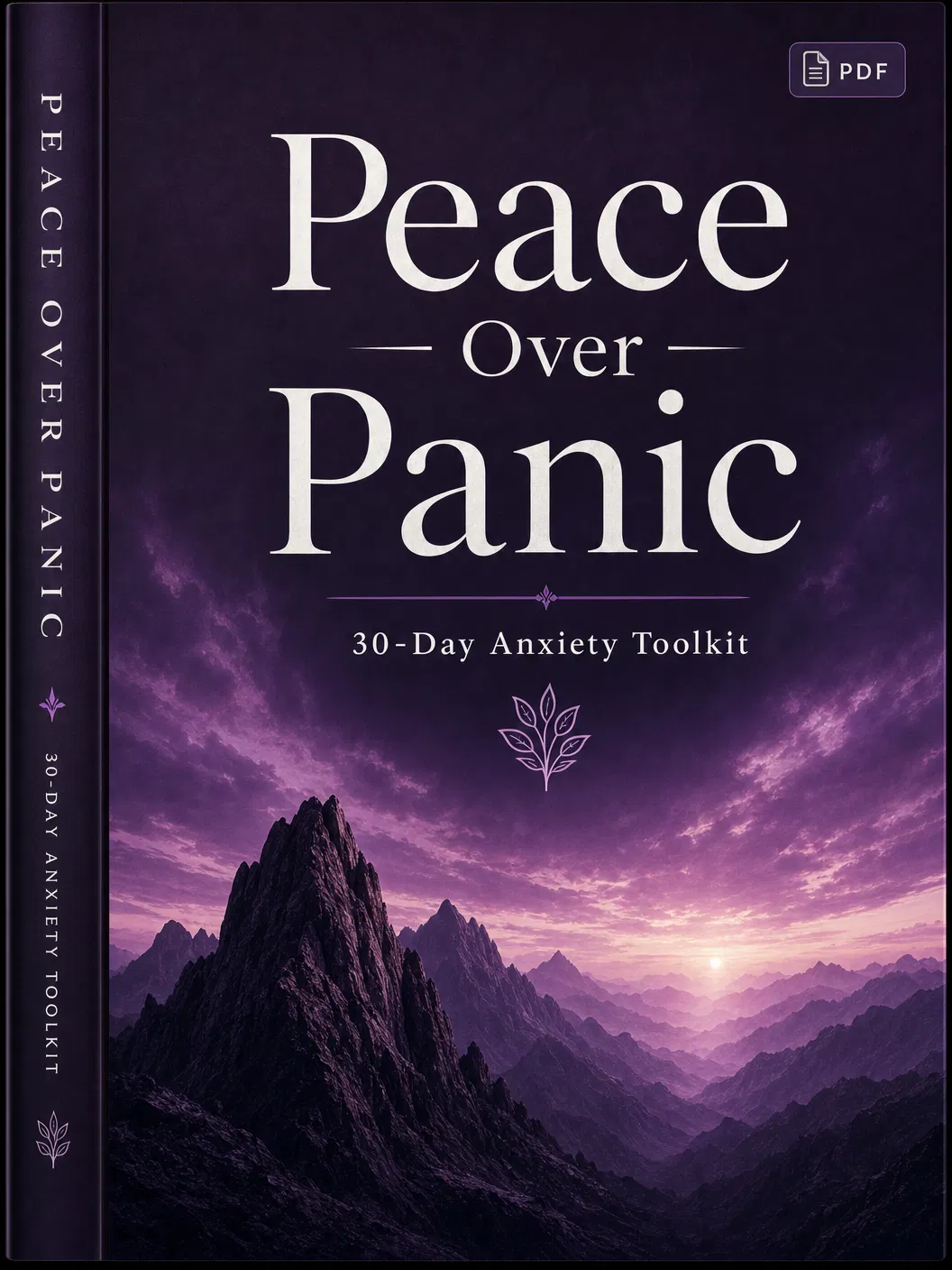
Peace Over Panic
30 days of Scripture-based exercises for finding calm when anxiety hits.
Get the Anxiety Toolkit — $12.99Related Verse Commentary
Proverbs 1:7
The fear of the LORD is the beginning of knowledge; fools despise wisdom and instruction....
Proverbs 2:6
For the LORD gives wisdom; from his mouth come knowledge and understanding;...
Proverbs 3:1
My son, do not forget my teaching, but let your heart keep my commandments,...
Proverbs 3:3
Let not steadfast love and faithfulness forsake you; bind them around your neck; write them on the t...