Psalm 56:3 — Meaning, Context & Commentary
"When I am afraid, I put my trust in you."
— Psalm 56:3 (ESV)
What Does Psalm 56:3 Mean?
David does not deny his fear; rather, he acknowledges it as a genuine human emotion and immediately redirects his focus to God. The verse captures a profound shift from panic to faith. Fear is a natural response to danger, but David shows that it does not have to be the final word. By choosing to trust in God, he actively places his confidence in the Lord's character, promises, and power. This trust is not a passive feeling but a deliberate decision made in the midst of terrifying circumstances. The contrast is striking: the presence of fear becomes the very trigger for exercising faith. David understands that God is greater than any threat he faces. His trust is anchored in the reality of who God is, a protector and deliverer who is intimately aware of his struggles. This verse teaches that faith and fear can coexist, but faith must ultimately govern our response. Instead of allowing fear to paralyze him, David uses it as a prompt to draw closer to the Lord, demonstrating a resilient faith that relies entirely on divine strength rather than human capability.
Historical Context
Psalm 56 was written by David during a deeply perilous time in his life. The superscription of the psalm indicates it was composed when the Philistines seized him in Gath. Fleeing from King Saul, who was relentlessly seeking to kill him, David sought refuge in enemy territory. However, he was quickly recognized by the servants of Achish, the king of Gath, placing him in immediate, life-threatening danger. Surrounded by hostile forces and far from home, David experienced intense vulnerability and terror. He was a fugitive with nowhere left to run. It was in this desperate situation, caught between the murderous intent of Saul and the hostility of the Philistines, that David penned these words. The historical setting highlights the raw reality of his fear and the extraordinary nature of his decision to trust God when all human hope seemed lost.
Key Greek & Hebrew Words
to fear, be afraid, or revere, indicating genuine terror in this context
to trust, feel safe, or be confident, conveying the idea of attaching oneself to something secure
Application for Today
In our daily lives, fear is an unavoidable reality. Whether we face financial uncertainty, health crises, or relational conflicts, terrifying situations will arise. Psalm 56:3 offers a practical blueprint for handling these moments. Instead of feeling guilty for being afraid, we should recognize our fear and use it as a signal to turn to God. When anxiety strikes, we can make a conscious choice to place our confidence in the Lord. This means actively recalling His past faithfulness and relying on His promises found in Scripture. Practically, when a fearful thought enters your mind, immediately counter it with a prayer of trust. Acknowledge the scary reality, but affirm that God is bigger than the problem. By doing so, you prevent fear from dictating your actions and allow God's peace to guide your decisions, transforming moments of panic into opportunities for deepening your faith.
Cross References
Frequently Asked Questions
Is it a sin for a Christian to feel afraid?
No, feeling afraid is a natural human emotion, not a sin. David, a man after God's own heart, openly admitted his fear. The key is what we do with that fear, choosing to trust God rather than letting the fear control us.
How can I trust God when my situation seems hopeless?
Trusting God in hopeless situations involves focusing on His character rather than your circumstances. You can build this trust by reading His Word, remembering how He has helped you in the past, and choosing to rely on His promises even when you cannot see the outcome.
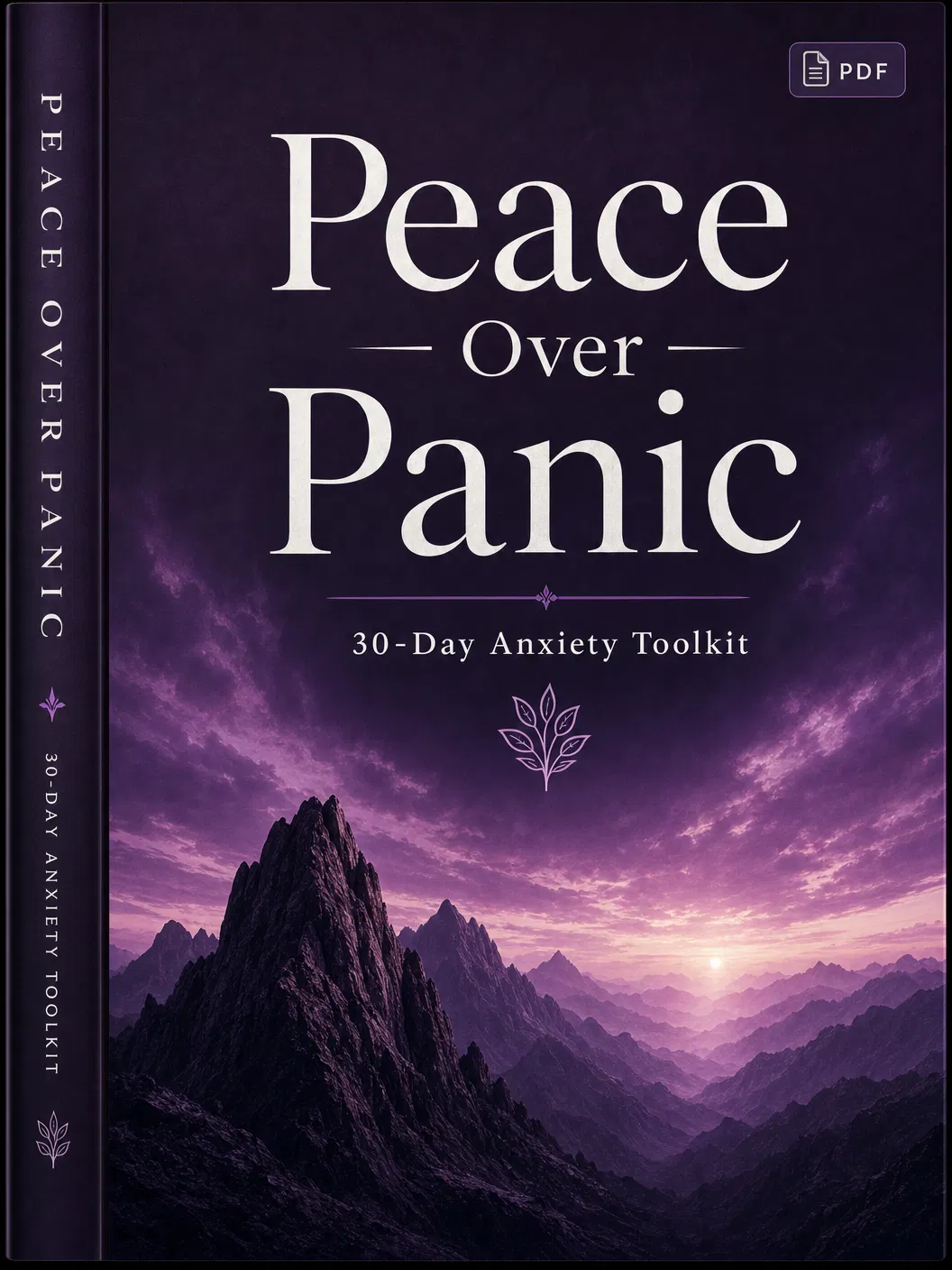
Peace Over Panic
30 days of Scripture-based exercises for finding calm when anxiety hits.
Get the Anxiety Toolkit — $12.99Related Verse Commentary
Deuteronomy 31:6
Be strong and courageous. Do not fear or be in dread of them, for it is the Lord your God who goes w...
Jeremiah 1:19
They will fight against you, but they shall not prevail against you, for I am with you, declares the...
Mark 5:36
But overhearing what they said, Jesus said to the ruler of the synagogue, "Do not fear, only believe...
Psalm 9:10
And those who know your name put their trust in you, for you, O LORD, have not forsaken those who se...