
Psalm 77:6 — Meaning, Context & Commentary
"I said, “Let me remember my song in the night; let me meditate in my heart.” Then my spirit made a diligent search:"
— Psalm 77:6 (ESV)
Download a branded verse card for Pinterest, Instagram, or social media
What Does Psalm 77:6 Mean?
In Psalm 77:6, the psalmist Asaph is experiencing a profound season of distress and spiritual darkness. When he says, "Let me remember my song in the night," he is intentionally recalling past moments of joy and worship. The "night" often symbolizes times of hardship, confusion, or sorrow in biblical literature. By remembering his song, Asaph is actively choosing to reflect on God's past faithfulness rather than being consumed by his current despair. The second part of the verse, "let me meditate in my heart," reveals a deep, internal processing of his situation. He is not simply ignoring his pain; instead, he is thoughtfully examining his circumstances in light of who God is. This meditation leads to his spirit making a "diligent search." He is seeking answers, looking for evidence of God's presence, and trying to understand his current trial. This verse beautifully captures the tension between honest lament and intentional faith. It shows us that in our darkest moments, we can turn our focus inward to search for God, recalling the times He has given us a reason to sing, and allowing that memory to sustain us through the night.
Historical Context
Psalm 77 is attributed to Asaph, a prominent Levite musician and worship leader appointed by King David. Asaph and his descendants were responsible for leading the congregation of Israel in musical worship. This particular psalm is a lament, written during a time of significant national or personal crisis. While the exact historical event is not specified, the intense emotional distress suggests a period where God seemed distant or silent, perhaps during the Babylonian exile or another major calamity facing the Israelites. The original audience would have deeply resonated with Asaph's feelings of abandonment and his struggle to reconcile God's past miracles with their present suffering. As a worship leader, Asaph's personal journey from despair to remembering God's mighty deeds would have served as a powerful model for the entire community, teaching them how to navigate their own seasons of spiritual darkness and doubt.
Key Greek & Hebrew Words
This Hebrew word refers to instrumental music or a song accompanied by stringed instruments. In this context, it represents a past experience of joyful worship and praise to God.
This term means to ponder, converse with oneself, or deeply consider. It implies an active, focused engagement of the mind and heart rather than passive thought.
This word conveys the idea of making a thorough, diligent investigation. It suggests a deep, intentional seeking of truth or understanding within one's own spirit.
Application for Today
In our modern lives, we all face our own nights, which are seasons of grief, anxiety, or spiritual dryness where God feels far away. Psalm 77:6 offers a practical and profound response to these difficult times. When you find yourself in the dark, intentionally recall your song. This means actively remembering specific times when God was faithful to you, answered a prayer, or provided comfort. Keep a journal of these moments so you can look back on them when you need encouragement. Additionally, take time to meditate in your heart. Instead of letting anxious thoughts run wild, sit quietly and process your feelings honestly before God. Allow your spirit to make a diligent search for His presence. By choosing to remember His past goodness and deeply reflecting on His character, you can find the strength and hope needed to endure the night until the morning comes.
Cross References
Frequently Asked Questions
What does it mean to remember your song in the night?
Remembering your song in the night means intentionally recalling past times of joy, worship, and God's faithfulness during a current season of hardship or sorrow. It is a deliberate choice to focus on the good things God has done, using those memories as a source of comfort and hope when circumstances are dark.
How can we meditate in our hearts during difficult times?
Meditating in our hearts involves slowing down and deeply reflecting on our situation in light of God's character. It means honestly processing our emotions while actively seeking God's perspective, rather than allowing anxiety or despair to control our thoughts. This can be done through quiet prayer, journaling, or pondering Scripture.
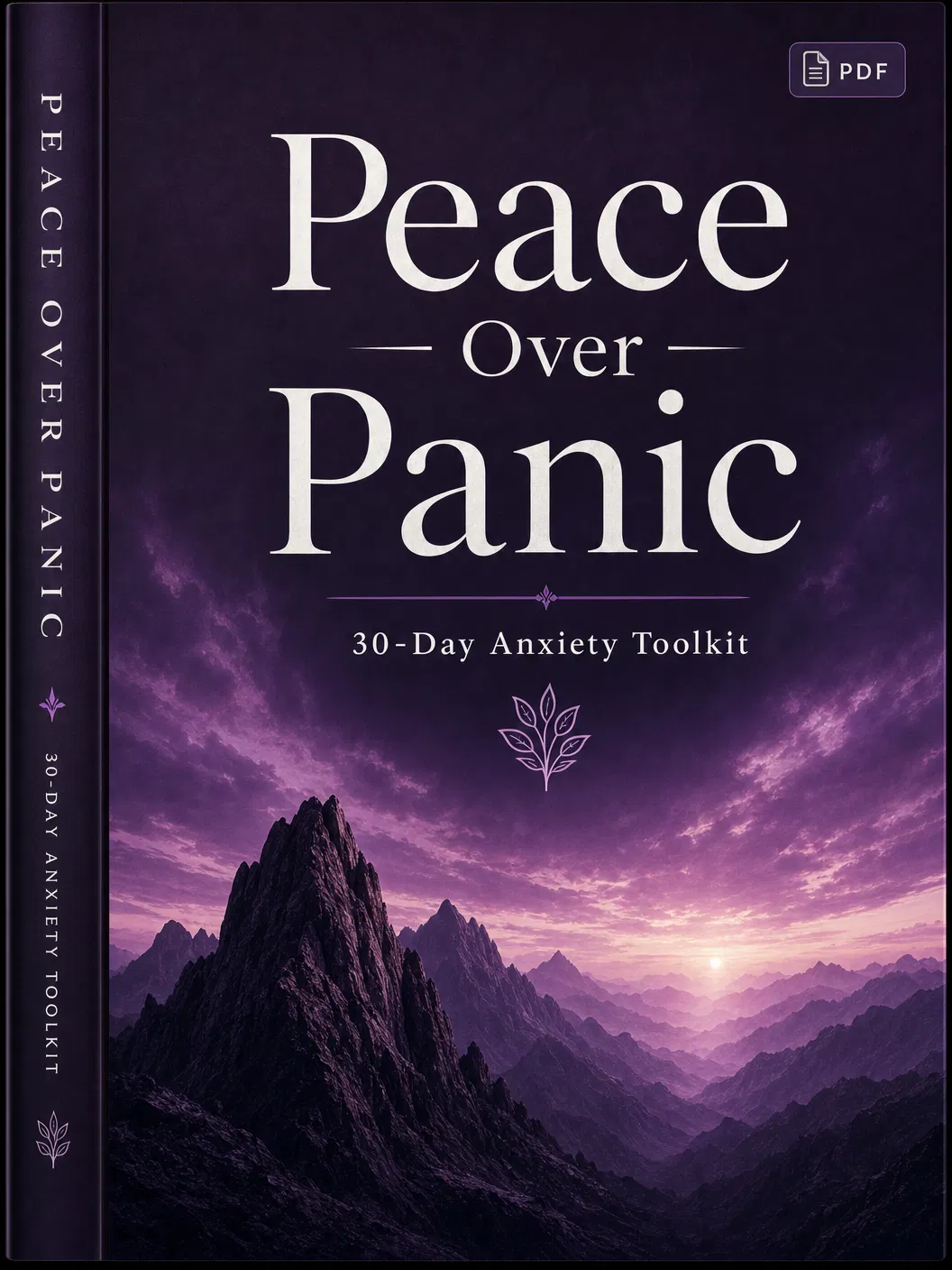
Peace Over Panic
30 days of Scripture-based exercises for finding calm when anxiety hits.
Get the Anxiety Toolkit — $12.99Related Verse Commentary
Psalm 42:8
By day the LORD commands his steadfast love, and at night his song is with me, a prayer to the God o...
Psalm 1:1
Blessed is the man who walks not in the counsel of the wicked, nor stands in the way of sinners, nor...
Psalm 1:2
but his delight is in the law of the LORD, and on his law he meditates day and night....
Psalm 1:3
He is like a tree planted by streams of water that yields its fruit in its season, and its leaf does...